
Dec 26, 2022 - 11m read
Here’s How To Sell Your House Even If You Have Squatters
When someone remains in a home for a substantial period of time without having received permission from the property owner, this would be considered squatting. In the event that your home has squatters in it, selling your property becomes much more challenging.

Anthony Reinoehl
Co-Founder
Squatting is a practice that involves the unauthorized use of a residential home or other property. When someone remains in a home for a substantial period of time without having received permission from the property owner, this would be considered squatting. In the event that your home has squatters in it, selling your property becomes much more challenging.
If you have a second home or holiday home, these properties are most at risk of squatters moving in. While you can take steps to sell a home that’s currently inhabited by squatters, there are several risks that you should take into account. In this guide, you’ll learn how to navigate these risks and sell your home without issue.

What Properties Are Most At Risk?
Squatters can move into practically any type of property but will usually focus on ones that are vacant for a lengthy period of time. The most vulnerable properties include ones that aren’t regularly lived in by owners, unoccupied properties that are held by out-of-state landlords, and holiday homes.
It’s also common for more isolated properties to be targeted, which extend to industrial facilities and farms. Because of how large these properties can be, a squatter can effectively move in without being seen by neighbors.
You may be able to avoid this situation by retaining the services of a real estate professional who can visit your properties at least once every month. Ask the professional you hire to take photos every time they visit, which can later be studied to determine if your home is currently inhabited by squatters. These photos can also assist you in defending against future legal claims about property ownership.
What Are Squatters?
When an individual lives in a home or similar property for an extended period of time even when they aren’t authorized to do so, this is considered to be squatting. The term was coined in Colonial times to encourage the development of land that had been abandoned. The idea of squatting is that you can eventually own a piece of land if you occupy it for long enough.
Even though squatting is illegal throughout the U.S., there are a few loopholes that provide squatters with some legal protection when the homeowner attempts to kick them out. If you own a home in Georgia, these legal protections apply to the entire state. In the event that the squatter has taken possession of your home, your only recourse might be to evict them.
It’s possible to bypass this issue by selling your home to a real estate company like ours that specializes in purchasing homes with cash. Since getting rid of a squatter on your property may only be done with a court order, you should know about the legal process associated with removing a squatter.
Squatter’s Rights in Georgia
When someone has unauthorized occupancy of a piece of real estate in Georgia, this is considered to be a civil issue that needs to be settled in court. Since people already occupy the property, they aren’t necessarily trespassing but are instead squatting. With time, squatters could gain ownership via an adverse possession. This doctrine initially provided homesteaders with the means of occupying an unclaimed piece of land.
In Georgia, squatters can obtain their adverse possession rights under the “color of title” claim, which is only available after living in the property for seven continuous years. The squatter will also need to prove that their occupancy involved:
- Living in the home without interruption
- Actual possession of the home
- The situation needs to be open, discoverable, and notorious
- It needs to be exclusive to the primary occupant
- The squatters can make a hostile claim
These claims are hardly ever successful. The main issues is that the law can be slow to act, which can delay your ability to regain possession of your home. If you’re attempting to sell this property, ask your realtor if he or she believes you’ll run into any issues.

Selling Your House Even If You have Squatters
Here are some tips on how to sell your home when squatters are currently living in it.
Know The Laws
First, it’s important that you understand your local laws. To avoid issues with squatters, you should learn the state’s tenancy laws. Most states indicate that a person who remains on a property for at least 30 consecutive days will become a tenant. This particular loophole is typically used by squatters, which makes it challenging for property owners to get rid of them.
Inform The Authorities
Squatters are individuals who use your property without first seeking your permission to do so. If you believe that a squatter is occupying your vacant property, you should contact the local police. It’s possible that the squatters will be charged with trespassing, which allows you to take back ownership of the property immediately.
When police arrive at your property, show them all of the legal documents that indicate the home is yours. Keep in mind that some squatters have full knowledge of their rights, which can make it difficult to have them removed from the property. If squatters show the police falsified legal documents, they could refuse to leave into a case is brought before the court.
Even though it’s necessary in this scenario, eviction is oftentimes a time-consuming and expensive process, which is why some homeowners and landlords who want to quickly sell the property resort to offering the squatters money to leave.

Begin The Eviction Process
When the police are unable to remove the squatters, you can officially start the eviction process. Each state has its own set of eviction laws. In most states, the process begins with the issuing of a legal notice to the squatters that states they should leave your property. It’s possible that the squatters will then leave. If the notice doesn’t work as intended, an additional notice will be given that provides the squatters with more time to leave the property.
In the event that the second notice is also ignored, you could submit an unlawful detainer lawsuit against these individuals. Most of these cases lead to a court hearing in just a few days.
If the court hearing is successful and all of your legal documents are provided to the court, the squatters will have a specific number of days to leave your home before the authorities remove them and change the house locks. It’s possible that the police will need to forcefully remove them. Even though this process is typically successful for the rightful homeowner, there’s no way to expedite it.
Clean Up And Sell
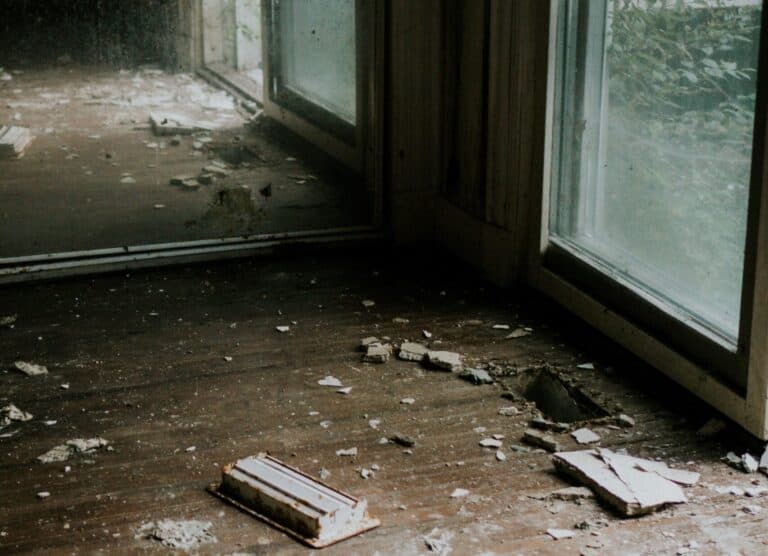
Once you’ve had the squatters removed, you should take a comprehensive look through your property to identify how much damage has been done. In many cases, squatters will cause even more damage out of spite in the hours before they leave. Conduct a deep clean of your home. If the squatters left any of their belongings behind, ask the authorities if you can throw these items away.
For serious property damage, you might want to make repairs before placing your house on the market. Fixing these damages can help you sell your home at a good rate. You could also choose to sell your home in “as-is” condition without renovating it, which allows you to complete the home-selling process without delay.
Risk Factors When Selling a Squattered Property
The majority of squatters move into a home because of their need for housing, which is why this issue is most prevalent in areas with high levels of homelessness.

1. Risk of Property Damage
The main risk factor when selling this type of home is the possibility of extensive property damage. Whether the home was used as a drug haven or was simply left in poor condition by the squatters who lived there, you might need to perform some renovations to get your home to an acceptable quality.
2. Risk of Injury/Illness or Personal Safety Concerns
There’s also a tangible risk of illness or injury to real estate agents in the event that the property still contains squatters. Even when squatters have vacated the premises, the property could consist of hazards and unsanitary conditions. Once you’ve had the squatters removed, you should take steps to have the property thoroughly cleaned before anyone else enters your home.
3. Risk of the Property Being Legally Claimed by the Squatters
Before you sell one of these properties, your real estate agent must be certain that the squatters have moved out of the property for good or don’t have a legal claim with adverse possession laws.
4. Disclosure Responsibilities
Your agent should know about your disclosure responsibilities. In most cases, you’re required to tell potential buyers if squatters have lived there beforehand. The buyer must have enough details to make an informed decision. If you have any knowledge about the property that could affect the buyer’s purchase decision or the property’s desirability, it must be disclosed.
Avoid Risks with CC Capital
At CC Capital, we can help you avoid the risks associated with having squatters in your home by purchasing your property when you no longer have use of it. When you first call us, we’ll evaluate the property to determine its value, after which we’ll write up a fair and customized offer for you. If you accept this offer, you can choose how quickly the closing process comes to an end. On closing day, we’ll give you cash for your home. Call us today to get started!
Related Articles
Can You Buy or Sell Condemned Properties?
If you’re the owner of a condemned property, it’s likely that you want to get out of this situation by selling your home and obtaining any proceeds you can from it.

How to Sell Your House During a Divorce
Going through a divorce is never easy. All of the emotions of this situation will be accompanied by the need to handle many different aspects of the divorce, which include everything from dividing assets to understanding alimony payments.

Can You Empty a House Before Probate?
Inheriting a home from a family member or loved one isn’t always a straightforward process. Before the home will be given to you, you’ll be tasked with filing certain forms, appraising assets, and planning a funeral.
Let's Talk
CC Capital is Constantly Climbing to ensure we are at the forefront of simplicity and service when it comes time to sell your home. We are always available to answer any questions you may have. Please reach out to us today!