
Jan 16, 2023 - 11m read
How to Sell Your House During a Divorce
Going through a divorce is never easy. All of the emotions of this situation will be accompanied by the need to handle many different aspects of the divorce, which include everything from dividing assets to understanding alimony payments.

Anthony Reinoehl
Co-Founder
Going through a divorce is never easy. All of the emotions of this situation will be accompanied by the need to handle many different aspects of the divorce, which include everything from dividing assets to understanding alimony payments. There’s also the matter of what you’re going to do with your marital home. If you and your spouse believe that selling the home is the best option, this can add extra stress to to the situation.
While this home likely holds sentimental value for both parties, it may need to be sold if neither you nor your spouse want to live in it once the divorce is finalized. Since assets need to be divided, it also makes sense to sell your home. However, selling your home during a divorce can be a tricky process.
If you and your spouse disagree on what to do with the home, it’s possible that the court would make the decision for you. There are several financial and legal issues that must be considered when you take part in this process. In this article, you’ll learn how to sell your home during divorce proceedings.

How to Sell a Home During a Divorce
Selling your home when you’re divorcing involves the same process that occurs when you sell your home at any other time. The main difference is that you must be certain about who gets what before the sale takes place. You can request an appraisal before placing your home on the market to determine what its current value is, after which you and your spouse can talk about how the money will be divided once the property is sold.
Preparing to Sell
Before you think about placing your home on the market, you should prepare for the situation and conduct comprehensive research. For instance, consider all of the maintenance and repair work that the home needs before it’s listed. If you choose to invest in certain upgrades and repairs, you and your spouse will need to agree on how these expenses will be split and if the investment will change how the eventual profits are split.
Make sure that you and your spouse iron out any other details about the property before you list it on the market. Do you expect one spouse to live in the home while it’s on the market? You should also come to an agreement on who will pay the mortgage and if the costs will be split until the home is sold. Answering these questions early on in the process should help prepare you for any eventuality.
Accepting an Offer
If you’ve hired a real estate agent and performed an appraisal, you should have a good idea of what your home should be priced at when you create a listing. However, you don’t always get that price. Depending on the health of the market and the number of offers you receive, it’s possible that you and your spouse will need to accept an offer that’s lower than you would have liked.
Before accepting any offer, make sure that your spouse agrees with the decision. If you’re unable to come to an agreement, you should trust the opinion your agent gives you. Completing the sale quickly sometimes means accepting a price that’s below the listing price.
When you start to receive offers, remain in communication with your spouse or their divorce attorney. Try to avoid any contentious arguments during this process if you want the sale to be completed smoothly.
Dividing the Profit
Now it’s time for profits to be divided, which is a process that should be handled by your attorneys. In certain states, all property that was purchased or obtained during the marriage will be considered as equally owned by both spouses. Even if your name is on the deed, your spouse will still have equal ownership depending on where you live.
The profits that come with the sale of your home can vary and may depend on how details are settled between you and your spouse’s divorce attorneys. In the event that one spouse put more money into the mortgage or maintenance of the home during the marriage, they might obtain a larger percentage of the profits from the sale.
There are times when these issues will go before a judge, which usually occurs if two spouses are unable to come to an agreement on how profits should be divided. However, it’s recommended that you have a mutual agreement if you want you and your spouse to be happy about the results.
Who Gets the House in a Divorce?
There are several ways to determine who gets the house in a divorce. This process can be tricky and may involve one spouse buying out the other spouse’s legal interest in the property, which means that the spouse who made the purchase would have total ownership of the home.
The house could also be immediately sold, which would allow the equity to be split evenly. Yet another solution involves one spouse remaining in the home for a set period of time, which could be until a child turns 18. After this event, the home could be sold.

Option 1. Divide Large Assets
In the event that you and your spouse share multiple large assets, you may need to come to an agreement on how these assets are divided. Larger assets can include everything from a yacht to a vacation home. When you have multiple large assets, division of these assets could involve you getting the vacation home and your spouse getting the yacht. It’s a quick solution to a process that can otherwise be lengthy and drawn out.
Option 2. Buy Out the Other Party
If you or your spouse doesn’t want the home to be sold, it’s possible to buy out the other party. This buyout could be for less or more than 50% of the current market value depending on financial contributions, the home’s earning potential, and the individual income for each spouse.
Keep in mind that the individual who wants to pay for a buyout needs to have access to enough liquid assets that won’t be divided during the divorce proceedings. If you buy out your spouse, you’ll also need to afford paying for the mortgage when you’re on a single income.
Option 3. Co-own the Home
The third option at your disposal is to co-own the home with your spouse. If your divorce is amicable, you may be able to agree to a co-ownership plan. If you find yourself in this situation, you’ll need to agree on how your monthly mortgage payments will be divided, when these payments will be paid, and how the proceeds from a sale will be distributed if the home is eventually sold.
This scenario allows you to avoid spending a considerable amount of money buying out the share that your spouse has. Keep in mind, however, that you’ll be financially connected to your former spouse after the divorce is finalized. For instance, any late payments for the mortgage will impact each person’s credit score.
Why Selling Your House May be Necessary During a Divorce
There are several reasons why you may need to sell your home during a divorce. While you don’t need to go through with a sale, it may be the ideal choice.
1. Financial Reasons
You could sell your home for financial reasons. When you own a home with your spouse, there are two incomes that are able to cover all of the mortgage expenses. If you or your spouse is unable to afford the mortgage, homeowners insurance, maintenance, and property taxes, the best option may be to sell the home.
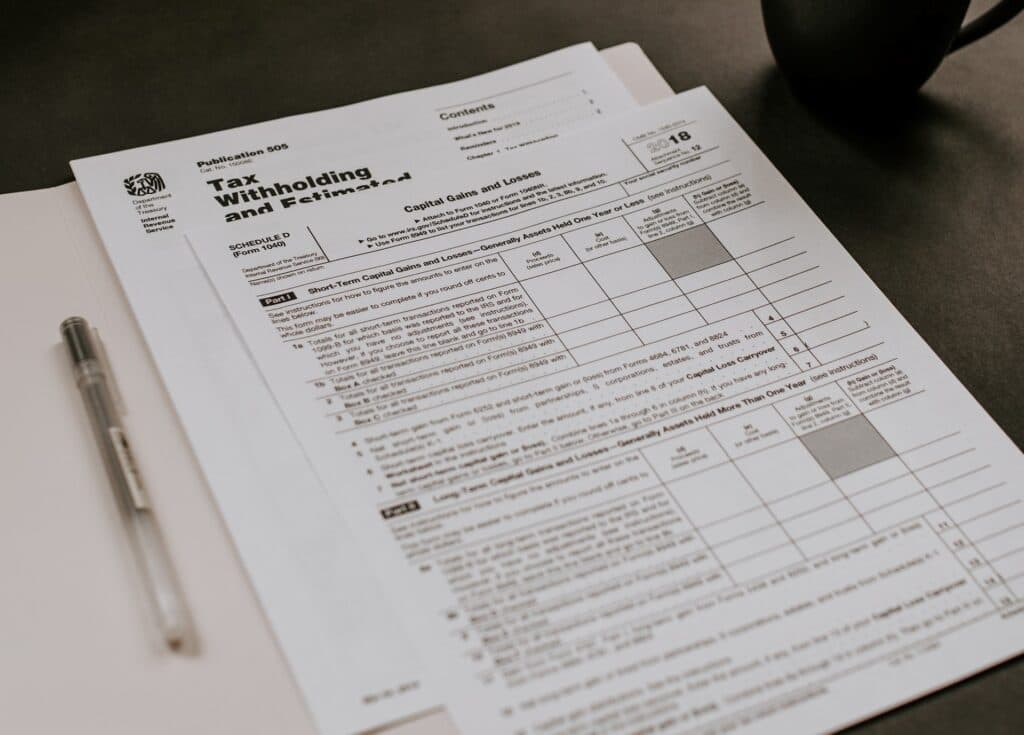
If you’re married when you sell the property, you won’t need to pay any capital gains taxes on as much as $500,000 in total profits. Single individuals have capital gains tax exclusions of $250,000 or less. Keep in mind, however, that you must live in the home for at least two our of five years. If you’re not expecting to live with your spouse once the divorce is finalized, selling your home beforehand allows you to take advantage of the capital gains tax benefit.
2. Legal Reasons
You may also need to sell your home for legal reasons. In the majority of situations, each spouse contributes to the purchase of a home when it occurs. Even if the contributions weren’t made in a 50/50 split, they are still viewed in that manner by the court. If you and your spouse are unable to agree on what happens to your home outside of court, the courts will make this decision for you.
Keep in mind that court battles are hardly ever great for both parties and may cause further issues, which only serves to complicate the divorce. It’s much simpler to agree to sell the home and split all of the proceeds. After the home has been sold, dividing assets should be considerably easier.
3. Liability Reasons
If you or your spouse wants to keep the home, there are liability risks that must be taken into account. Even if you bring in enough income to make the mortgage payment as well as any other expenses that arise, your spouse won’t be held liable if a payment is missed.
You’ll likely need to speak with your lender to have the property refinanced, which will require you to qualify for the loan when you have just one income. If your lender doesn’t allow for a single owner and your spouse won’t continue making the monthly rental payments, you may be forced to sell. Otherwise, you risk foreclosure.
Selling your home during a divorce is an effective method if you want to quickly and painlessly divide your assets. If you’d like to sell your home quickly to allow for a more efficient divorce, call CC Capital today to begin the home-selling process. Our team will look at your home to identify a fair price. If you and your spouse accept the offer, the closing process can be completed without delay.
Related Articles

Can You Buy or Sell Condemned Properties?
If you’re the owner of a condemned property, it’s likely that you want to get out of this situation by selling your home and obtaining any proceeds you can from it.

Can You Empty a House Before Probate?
Inheriting a home from a family member or loved one isn’t always a straightforward process. Before the home will be given to you, you’ll be tasked with filing certain forms, appraising assets, and planning a funeral.

Here’s How To Sell Your House Even If You Have Squatters
When someone remains in a home for a substantial period of time without having received permission from the property owner, this would be considered squatting. In the event that your home has squatters in it, selling your property becomes much more challenging.
Let's Talk
CC Capital is Constantly Climbing to ensure we are at the forefront of simplicity and service when it comes time to sell your home. We are always available to answer any questions you may have. Please reach out to us today!