
Dec 05, 2022 - 12m read
How Long Does the Escrow Process Take?
On average, the escrow process takes around 30-40 days to complete. If the transaction is complex or problems arise, this process can extend past 60 days.

Anthony Reinoehl
Co-Founder
Escrow is among the most important aspects of a real estate transaction. When you purchase or sell a home, the escrow process will occur. Understanding how long this process takes is necessary if you want to know when the transaction will close. You must also know what problems could arise during an escrow.
For instance, several inspections can be scheduled at this time. Repairs might need to be made if one or more issues are detected. The buyer could back out of the deal if the issues are too severe. You might also encounter difficulties gathering the documents needed for escrow and the closing process to go forward. These documents include everything from HOA documents to a contingency removal form.
On average, the escrow process takes around 30-40 days to complete. If the transaction is complex or problems arise, this process can extend past 60 days. The factors that might affect this timeline include title defects, the low home appraisal, and lending requirements being stricter than anticipated. This guide examines the escrow process and how long it usually takes.

What is Escrow?
Escrow is the period of time and the events that occur between the signing of a contract and closing. This process begins when the purchase contract is signed by the buyer and seller. It only ends when the the transaction is completed and the buyer takes ownership of the property. Escrow also refers to the account where the lender or a similar third party institution will hold a substantial sum of money while the closing process is ongoing. These funds are intended to be used for the purchase of the property and need to be provided by the buyer before the escrow process begins.
The money is placed into the escrow account to display “good faith”, which means that the buyer expects to go through with the sale. Once the transaction is completed, most lending institutions use escrow funds to make payments for property taxes and homeowners insurance.
It’s possible for one of these accounts to remain open until the mortgage is repaid in full. There are many important processes that occur during escrow, which include the appraisal, mortgage underwriting, inspections, document preparation, and title search.
Why Do You Need Escrow?
When a home is being sold, buyers are tasked with placing some of their money into an escrow account. Once the money is in this account, it will be kept safe until the sale of the property is finalized. Along with the initial cash deposit, escrow can also hold:
- Title insurance
- Attorney fees
- Property taxes
- Mortgage origination fees
- Homeowners insurance premiums
By placing this money into escrow, buyers are protected from having their money stolen by the seller. The seller is also protected from buyers who aren’t serious about going through with the purchase. If the buyer ends up backing out of the sale, the seller will receive their earnest money deposit.
What Determines The Length Of Escrow?
There are numerous factors that affect the length of escrow, which include everything from negotiating the offer before escrow begins to scheduling home inspections. If you decide to sell your home without a realtor, you’ll need to know how long this process typically lasts.
1. Negotiate an Offer Pre-escrow (1-3 days)
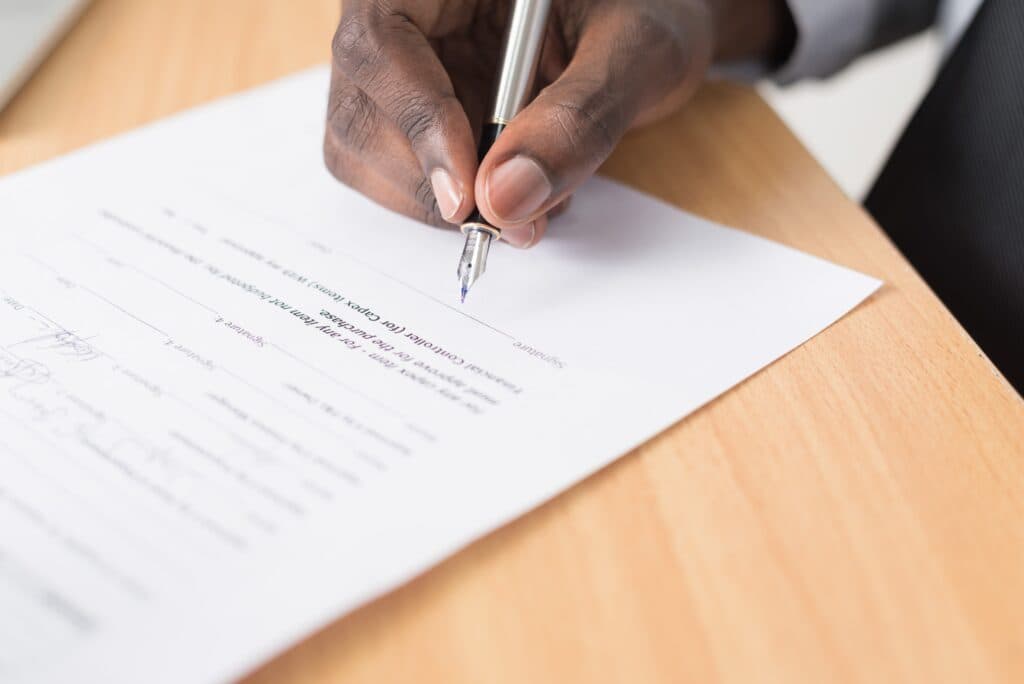
Before escrow starts, the buyer and seller will need to agree on the home’s sale price. Any contingencies for the sale will also be established at this time. As mentioned previously, the buyer and seller must sign this document. This stage of the process should only take 1-3 days to be completed.
2. Set Up and Fund Initial Escrow (5-7 days)
This stage of escrow involves setting up and funding the escrow account, which requires the buyer to make an earnest money deposit into the account. The account is then managed directly by a third-party provider, which can be a title company, escrow company, or law firm. Most of these companies charge a 1-2% management fee. You can expect this stage to take around 5-7 days.
3. Schedule Home Appraisal and Inspections (8-21 days)
The next phase of this process takes anywhere from 8-21 days depending on the number of inspections that need to be scheduled. Before the sale of the home goes through, the home must be appraised to determine what it’s actually worth. Several inspections can also be performed to make sure that there are no surprise issues that might affect the condition of the home.
Appraisals are typically required by lenders, while the buyer is tasked with setting up inspections. The types of inspections that can be scheduled include home safety, pest, and environmental inspections. During this time, the seller is expected to give the buyer access to the home when scheduling inspections. The buyer will also be given disclosures about the home, which can include environmental hazards and natural disaster damage.
4. Get Loan Approval (14-28 days)
Now it’s time to obtain loan approval, which can take around 14-28 days depending on how smooth the underwriting process is. Buyers must fill out and submit a mortgage loan application before they go forward with the transaction. The lender will use information from the home appraisal as well as the buyer’s eligibility to determine if the loan should be approved or denied. If the buyer is unable to secure the loan, the process will come to an end.

5. Complete Lender Funding (29-43 days)
This phase of the process involves completing lender funding, which takes around 29-43 days in total. During this period of time, the buyer must apply for homeowners insurance. It’s also common for a title search to be performed, which ensures that the seller has a clear title that can be easily transferred to the buyer. The lender will then submit the loan documents to an escrow attorney or agent to go forward with the final closing process.
6. Final Walk-through and Escrow Funding (5 days)
The sixth stage of the escrow process involves the final walk-through and escrow funding. Even though this process only takes five days, it’s among the most important for the transaction. The buyer will go through the home to make sure that it’s in the same condition that it was when the offer was made. If the buyer has requested repairs before now, they should be completed at this time.
If the final walk-through goes well, the seller and buyer will sign a Verification of Property document to show that the buyer was satisfied with the property’s condition. At this time, the buyer must make the last payments to escrow, which will cover the closing costs and down payment.
7. Escrow Closes (1 day)
The final step in escrow occurs when escrow closes. On closing day, the seller and buyer sign numerous documents, which finalizes the sale. Funds are then disbursed by the escrow agent, after which the buyer receives the keys to their new home.
Anticipating Escrow Problems
Purchasing or selling a home is a major financial decision that should be approached in a patient and cautious manner. By addressing all potential issues beforehand, you should be able to ensure a relatively hassle-free closing process.
When a property has entered escrow, there are still several scenarios that could result in the home getting out of escrow, which include strict lender requirements, title issues, problems from home inspections, and appraisal issues.
If you’d like to avoid these issues altogether, it’s highly recommended that you get in touch with CC Capital. We can help you avoid escrow by providing you with a clear cash offer for your home soon after we inspect it. After making a fair offer, we can close on the sale based on your ideal timeline.
1. Stricter Lender Requirements
Today, lenders have strict requirements before they’ll provide borrowers with the money needed to purchase a home. In fact, lenders won’t provide pre-approvals as easily as they once did. When selling a home, speak with the buyer’s lender to make sure that their assets and income have been verified.

2. Home Appraises For Lower
Appraisals are an essential aspect of any purchase contract when a lender is involved. In the event that the home is appraised at a value that’s lower than the sale price, the lender won’t pay the difference, which means that the buyer may need to pay more money in order for the transaction to go through.
3. Title Defects
The most common defects that can impact a title include liens, HOA fees, mechanic liens, and owed property taxes. The title company will perform a title search once escrow is opened. If a lender discovers a title defect, they will be more wary about going through with the transaction.
4. Failed Home Inspection
Regardless of the quality of the home that’s being purchased, there’s always the possibility that a home inspection will “fail”. While it’s technically not possible for an inspection to fail completely, the discovery of major undisclosed problems with the home could result in the lender or buyer making the decision to back out of the deal.
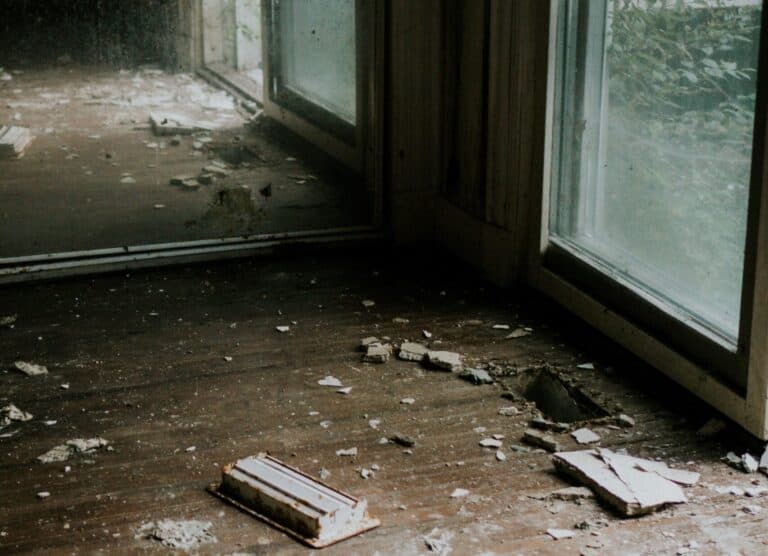
In the event that a home has been vacant for a lengthy period of time, the main issues that could affect the property include missing air conditioners or malfunctioning water heaters. If these items need to be repaired or replaced, the closing process could be delayed by a considerable amount.
When a buyer and seller have come to an agreement on the home’s purchase price, an earnest money deposit will be placed into escrow, which is when the closing process officially starts. You can avoid the time-consuming nature of escrow by calling CC Capital. We’ll make an all-cash offer in a few short days.
Related Articles
Can You Buy or Sell Condemned Properties?
If you’re the owner of a condemned property, it’s likely that you want to get out of this situation by selling your home and obtaining any proceeds you can from it.

How to Sell Your House During a Divorce
Going through a divorce is never easy. All of the emotions of this situation will be accompanied by the need to handle many different aspects of the divorce, which include everything from dividing assets to understanding alimony payments.

Can You Empty a House Before Probate?
Inheriting a home from a family member or loved one isn’t always a straightforward process. Before the home will be given to you, you’ll be tasked with filing certain forms, appraising assets, and planning a funeral.
Let's Talk
CC Capital is Constantly Climbing to ensure we are at the forefront of simplicity and service when it comes time to sell your home. We are always available to answer any questions you may have. Please reach out to us today!