Jan 30, 2023 - 9m read
What to do With Your Dilapidated House
Contents hide 1 What Does Dilapidated Mean? 2 What’s the Difference Between Dilapidated and Poor Condition? 3 Should You Demolish Your House? 4 Should You Deconstruct Your House? 5 How Much Can You Salvage? 6 How Much Time Do You Have? 7 What’s Your Budget? Throughout much of the U.S., the real estate market is […]

Anthony Reinoehl
Co-Founder
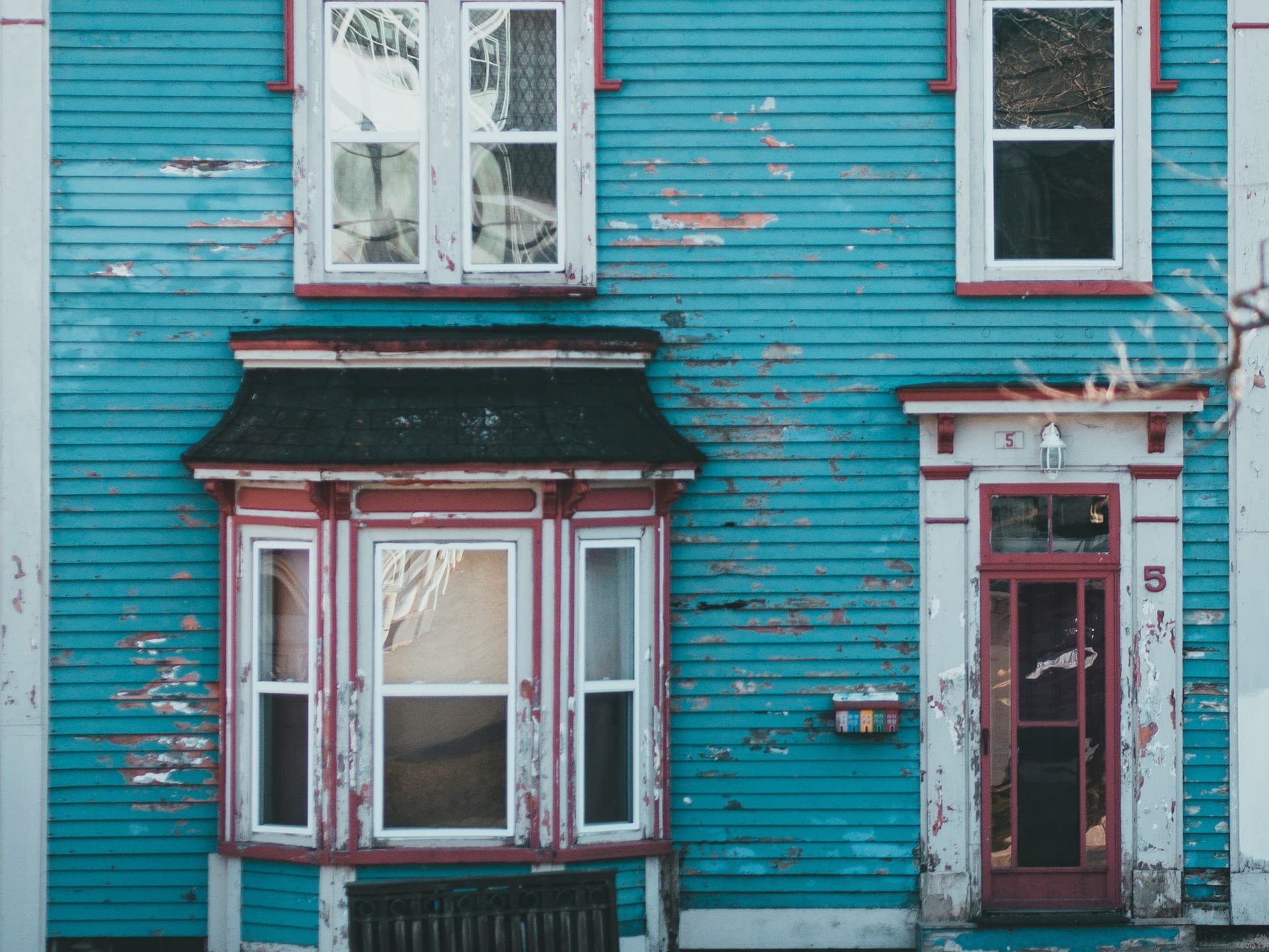
Throughout much of the U.S., the real estate market is still more favorable to sellers despite the recent lull in buyer demand. Even though conditions are favorable, some types of homes will always be difficult to sell, the primary of which is a dilapidated home. Dilapidated homes are ones that are in complete disrepair and would require extensive renovations to restore to livable conditions.
If you own a dilapidated home, you have the option to deconstruct or demolish your home. Both of these processes involve a considerable amount of work, which is why you should know what they entail before making your choice. Keep in mind that deconstructing a home is a more involved process since certain materials will need to be preserved for eventual reuse. The following should help you learn what you can do with your dilapidated home.
What Does Dilapidated Mean?
Dilapidated buildings are structures that are in partial ruin or a state of decay because of injury or neglect. These structures are hazards to the safety, welfare, and health of the generic public. A dilapidated home can also be a vacant structure that doesn’t support human occupancy because of a lack of repairs.
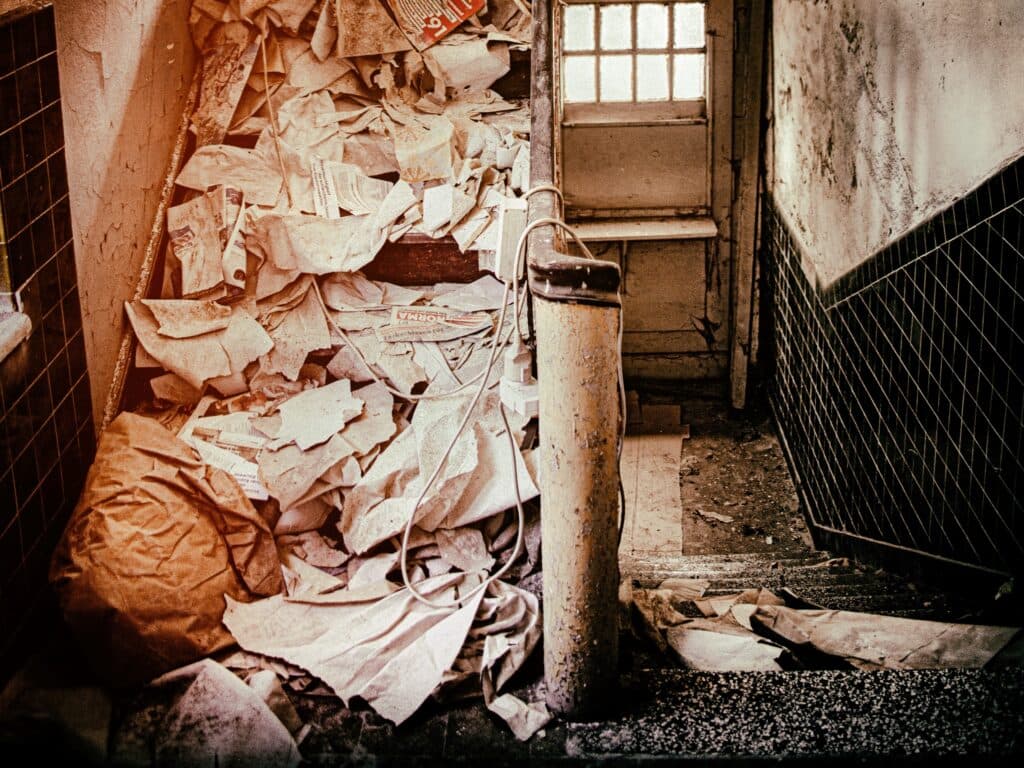
There are several reasons why a home can get in such a state. If the previous owner was a hoarder, the home may have fallen into disrepair over time. The same is true if the property was previously used as a meth house. In the event that your home has been damaged by a fire, the damage may be severe enough to consider your home to be dilapidated. Regardless of the reason, there are several things you should do before selling your property.
What’s the Difference Between Dilapidated and Poor Condition?
There are clear differences in the condition of a home that dictate what kind of actions should be taken. If your home is in poor condition, you may only need to perform some small repairs and renovations before attempting to sell the property. In comparison, dilapidated homes are in such bad condition that they will either need to undergo substantial renovations or be demolished entirely.
Homes that are in poor condition are ones that may have been constructed with low-cost materials. It’s possible that these properties are barely above the minimum building code requirements. Any exterior or interior finishes are inexpensive and plain without attention to detail. The architectural design in a home of poor quality is focused mainly on function as opposed to appearance. While a home in poor condition might require some repairs to appliances and cosmetic damage, structural issues should be at a minimum.
Dilapidated homes, on the other hand, are poorly maintained and may be structurally unsound. In order for this type of home to be livable, major repairs, renovations, and refinishes may be needed. Even though you can sell a home that’s in poor condition, finding a willing buyer for a dilapidated home can be nearly impossible.
Should You Demolish Your House?
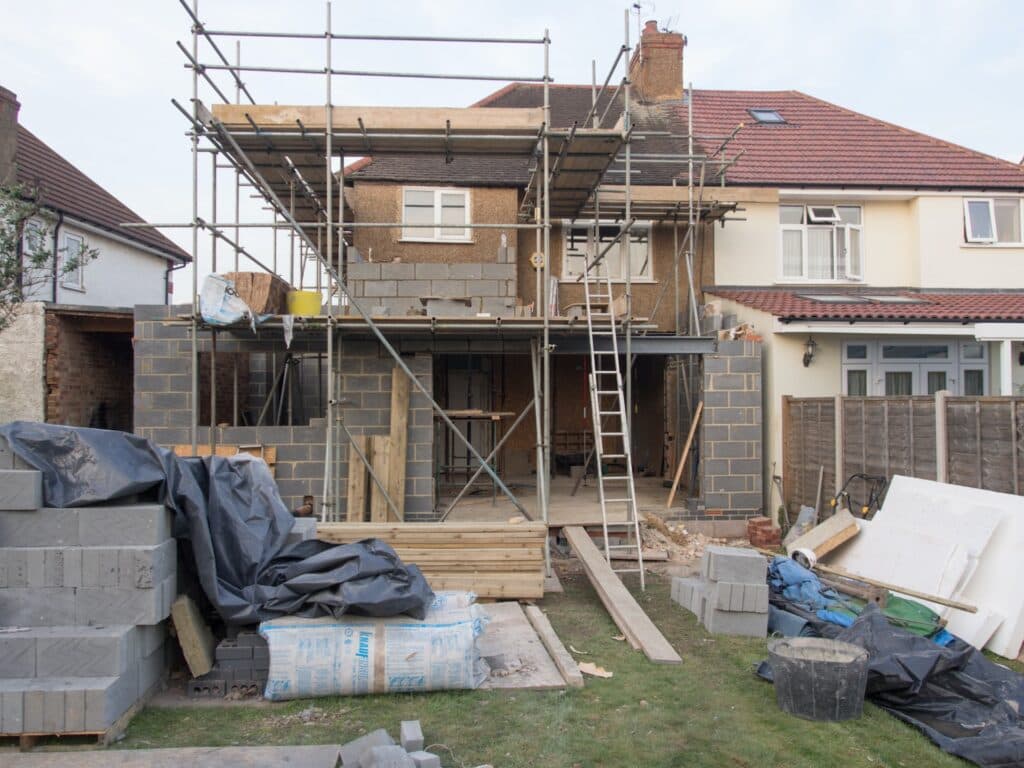
If you love the place you live in but hate your home, you may choose to renovate it. However, there are times when homes have been damaged to the point where demolishing the structure and rebuilding would be the better option. Renovating a dilapidated home can be cost-prohibitive and might not be possible if it’s not structurally sound.
Instead of wasting your budget on renovations, building a home from scratch gives you the opportunity to design every aspect of the home and make sure that it’s in great condition from the beginning. There are some signs that indicate it may be time to demolish your home instead of renovating it.
If your home has a faulty foundation or some other structural problems, you may need to demolish it. The same is true if you’ve found comprehensive mold and moisture damage in numerous areas throughout your home. If the damage is only discovered in one room, renovations may be enough to salvage it.
In the event that you’ve been taking steps to renovate your home, you may find that these renovations will cost more than demolishing the structure and building a new home in its place. Don’t overspend on renovations that might not even get the structure back to its original condition. When a home is dilapidated, a considerable amount of the damage may not be visible, which means that your renovation costs could increase further after work begins.
The decision can be made easier for you if you don’t have an emotional attachment to the property’s current layout and materials. If the home is dilapidated, it would likely be difficult for you to restore these items. When you want to demolish your home but don’t want to spend money on building a new one in its place, your property could be worth more as a vacant lot. Any buyer who’s looking to create a custom home could be interested.
Should You Deconstruct Your House?
Whether you’re looking to tear down your home to eventually rebuild it or sell your property as a vacant lot, you can choose to deconstruct the property instead of demolishing it. While both of these processes take a considerable amount of time to complete, deconstructing your home gives you the opportunity to save some of the materials and items that the structure was built with.
The main reason to deconstruct your home instead of going forward with a demolition is that you can potentially save around 90% of all materials from being sent to a landfill, which is a great way to protect the environment.
Before taking part in this project, make sure that you hire an appraiser to look at your home as well as a deconstruction company that can assist you with the project. The appraiser you hire will identify which materials are able to be salvaged and will provide you with the total value of this donation.
How Much Can You Salvage?
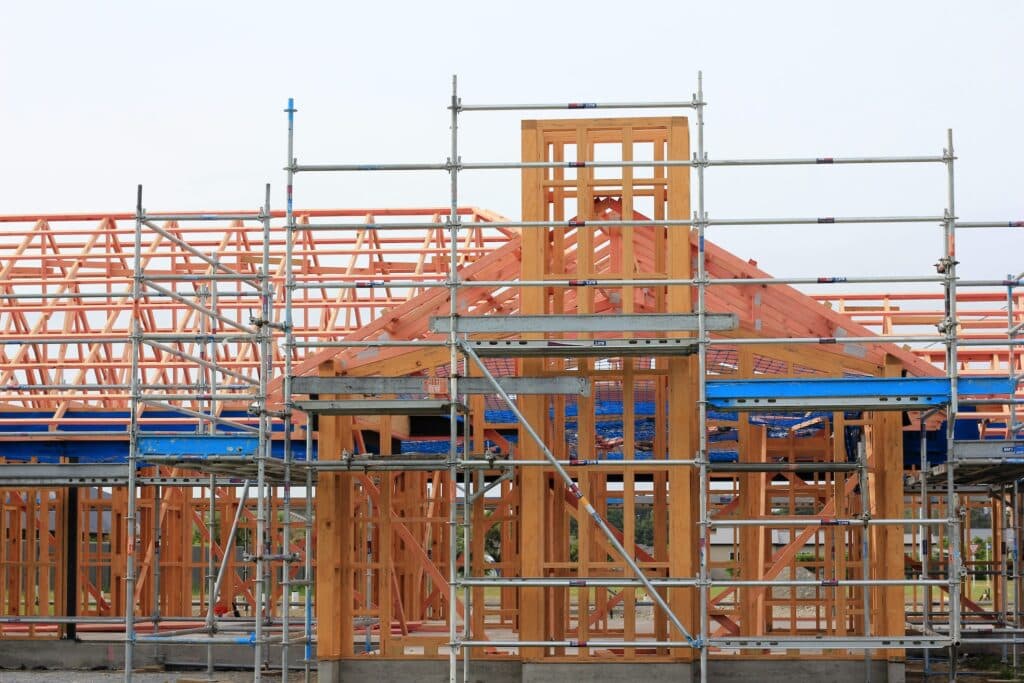
Along with donating salvaged materials to resale construction stores, you can also use them to build a new home in the place of your old one. The materials that are typically salvaged include:
- Countertops
- Cabinets
- Windows
- Doors
- Flooring
- Toilets
- Bricks
- Wood
If your home is nearly in total disrepair and you don’t believe that much of anything could be salvaged, demolishing your home would likely be the better option. You would also avoid wasting a substantial amount of time and money attempting to salvage materials that can’t be reused.
If, however, there are many pieces for you to salvage, the deconstruction process is likely the best option. When you perform a demolition, most materials will be immediately sent to a landfill, which only serves to damage the environment and leave you without anything to reuse.
How Much Time Do You Have?
Before deciding which of these two options is right for you, ask yourself how much time you have. If you have a strict schedule that requires you to complete the project in a short period of time, demolishing the home would be better. In most cases, a home can be quickly demolished with a bulldozer, which means that the majority of the project involves removing the items and materials that have been torn down. Keep in mind that you’ll also need to switch off utilities at their source and obtain a permit before the project begins.
If you’re considering deconstructing your home, this project takes up much more time. Demolishing a home can take a few days. In comparison, deconstructing the same home can take several weeks. You’ll need to carefully take the property apart as you decide which materials can be salvaged and which ones must be discarded. All insulation, wood, wiring, and drywall should be carefully removed.
What’s Your Budget?
Another question you should ask yourself involves what your budget is. While both of these projects cost a large amount of money, deconstruction costs more since additional work needs to be done. When you’re tearing down a home with a layout that measures 2,200 square feet, demolishing this structure would cost you around $10,000 or so. Deconstructing the same house would cost you anywhere from $20,000-$25,000. Depending on your budget, you may need to demolish your home.
If you’re thinking of rebuilding this house, deconstructing it would likely be the best option since you’ll be saving money on the rebuild. When you deconstruct a home, you can salvage materials that can be reused. Take this factor into account when you’re calculating how much each project will cost and what your total budget is.
Whether you want to deconstruct or demolish your home, get ready for a lengthy project that requires extensive work. Even though demolishing a dilapidated home can be more affordable and efficient, deconstructing it instead may be a great way to obtain materials that could be used for your next project.
Related Articles

What Happens to Home Sales When Interest Rates Rise?
Over the past year, the Federal Reserve has increased interest rates several times and will likely do so a couple more times in 2023. While there are several reasons why interest rates have increased, these increases make it more difficult for potential buyers to purchase a home. A higher interest rate equals higher monthly mortgage payments.

A Guide to Inheriting a House With Siblings
Dealing with an inheritance is oftentimes a challenging situation. While asset division might be simple when only money is involved, things become more complicated when a house is passed down to siblings.
Even if you have happy and lasting memories in this home, you and your siblings may not agree on what to do with it. Whether you want to keep or sell the home, it’s highly recommended that you focus on minimizing conflict with your siblings to make sure that the entire process is handled with care.

How to Immediately Stop a Foreclosure in Georgia
If you’re currently behind on your monthly mortgage payments, you might be facing a possible foreclosure. In this situation, there are several steps you can take to reduce the likelihood of foreclosure. There are also a couple of things you can do to stop foreclosure altogether. Regardless of why you’re facing foreclosure, it’s highly recommended that you focus on what you can do to get yourself out of this situation.
Let's Talk
CC Capital is Constantly Climbing to ensure we are at the forefront of simplicity and service when it comes time to sell your home. We are always available to answer any questions you may have. Please reach out to us today!