
Sep 05, 2022 - 12m read
What to Expect During Your Home Inspection in Atlanta
Once you list your home and eventually accept an offer, a home inspection will likely soon took place. Unlike an appraisal, home inspections don’t estimate the value of a home. Instead, inspections thoroughly examine the quality and condition of every facet of the property, which includes the roof, any major home appliances, and the foundation.

Anthony Reinoehl
Co-Founder
Once you list your home and eventually accept an offer, a home inspection will likely soon took place. Unlike an appraisal, home inspections don’t estimate the value of a home. Instead, inspections thoroughly examine the quality and condition of every facet of the property, which includes the roof, any major home appliances, and the foundation.
While the buyer typically pays for the inspection once their offer is accepted, it’s also possible for you to obtain an inspection before listing your home, which gives you the opportunity to identify and repair any issues on your property.
There are several reasons why home inspections are highly important when selling a home. If you have this process completed before listing your property, you can effectively increase the home’s value before it’s even listed, which should make it easier for you to get your asking price.
For the buyer, a home inspection allows them to identify any potential issues with the home that might require repairs after the sale goes through. If there are any problems with home systems or the structure of the home that haven’t been disclosed, the buyer could back out of the deal or choose to renegotiate terms. This article offers a detailed overview of what you should expect during a home inspection.

What is a Home Inspection?
A home inspection is a process that a professional inspector performs before a home is sold or after a home is first built. These inspections involve observing every facet of the home and reporting on the condition of the property. During the course of a home inspection, the qualified inspector will assess the condition of cooling and heating systems, water systems, electrical work, plumbing, and roofing.
The home inspector who is hired for the job will also search for evidence of water damage, fire damage, and insect infestations, any of which could adversely affect the value of your property. In most cases, the buyer will arrange for the home inspection, which means that they are responsible for the payment. Depending on the findings, the buyer could continue to the closing process, request certain repairs, get out of the contract, or renegotiate the final sale price.
What Areas of My Home Will be Inspected?
Nearly every area in a home will be inspected when an inspection takes place, which is why it’s important to keep your home clean and in good working condition if you want it to be sold at the listing price. Keep in mind that no home will be perfect, which buyers understand.
The buyer can’t get out of the deal if a few small issues are detected in your home. However, maintaining the condition of your property should make it easier for you to move to the closing process without being required to lower the sale price or make substantial repairs. The many aspect of a home that will be assessed during an inspection include everything from the heating system to any visible insulation.
Heating System
If you have an HVAC system installed in your home, the heating components within this system will be checked to make sure that they’re functioning properly. In fact, any installed heating systems will be assessed, which include flues, vent systems, distribution systems, and chimneys. If your heater is separate from your air conditioning unit, it will be examined. This equipment needs to function properly when heating your home. The heating method, location of thermostats, and energy source will be detailed within the report.

Central Air Conditioning
When looking at the central air conditioning system in your home, every component in the unit will be examined, which includes fans, insulation, air filters, ducts, dampers, supports, and operating controls. Your thermostat will be tested to make sure that the system functions correctly. Description of the cooling system location and energy source will be reported.
Interior Plumbing
The interior plumbing system involves the shut-off valve for the main water supply, the shut-off valve for the main sewer supply, vent systems, sump pumps, and interior distribution systems. Keep in mind that your water heater is also part of the plumbing that will be inspected, which means that the energy source, venting connections, seismic bracing, and pressure relief valves will be checked. Any tub, shower, sink, and toilet in your home will be inspected to make sure that they work as intended.
Electrical Systems
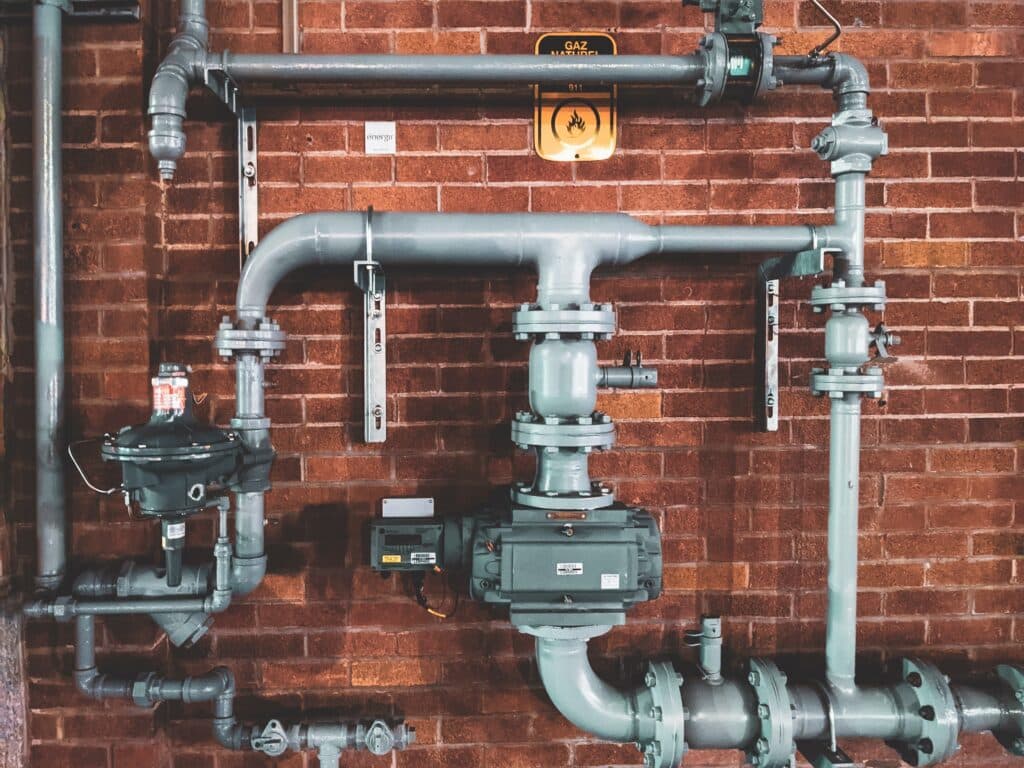
The inspector who assesses your home will look at every aspect of the electrical system in your home, which includes cables, raceways, electric meters, over-current protection devices, entrance conductors, attachment points, grounding, bonding, and installed light fixtures.
Keep in mind that only a certain number of your lighting fixtures will be inspected. The AFCI and GFCI receptacles in your home will be tested. Documentation of the panel location and system amperage rating should occur. If you have carbon monoxide and smoke detectors in your home, the locations of these devices will be recorded.
Walls
When an inspector looks through the interiors of your home, he or she will note the condition of any interior walls. The same is true of exterior walls. Any instance of sagging, leaning, or bulging will be detailed by the inspector. If there are any cracks, flaking issues, or mismatched paint problems, they should be recorded. The condition of wall coverings will also be noted.

Ceilings
The ceilings in your home will be inspected as well. In most cases, the inspector will want to make sure that the ceiling is intact. Any signs of cracks, sagging, stains, or water damage will be recorded in the inspection report. If the paint is starting to wear, images will likely be taken.

Floors
As for the floors in your home, the inspector will identify the flooring material that’s used and look for any signs of damage or stains. If the floor needs to be repaired or replaced, the inspector will place this suggestion in the report. When looking specifically at wooden floors, soft areas indicate issues with dry or wet rot that might need to be fixed.

Windows and Doors
The windows and doors in your home are two additional areas of focus. The inspector will look at the overall condition of your doors and windows to make sure that they operate properly. Common issues that could be detected during an inspection include decay, cracks, rot, and damaged locks. The weather-stripping around your doors and windows will also be inspected to determine the type and condition.

Attic
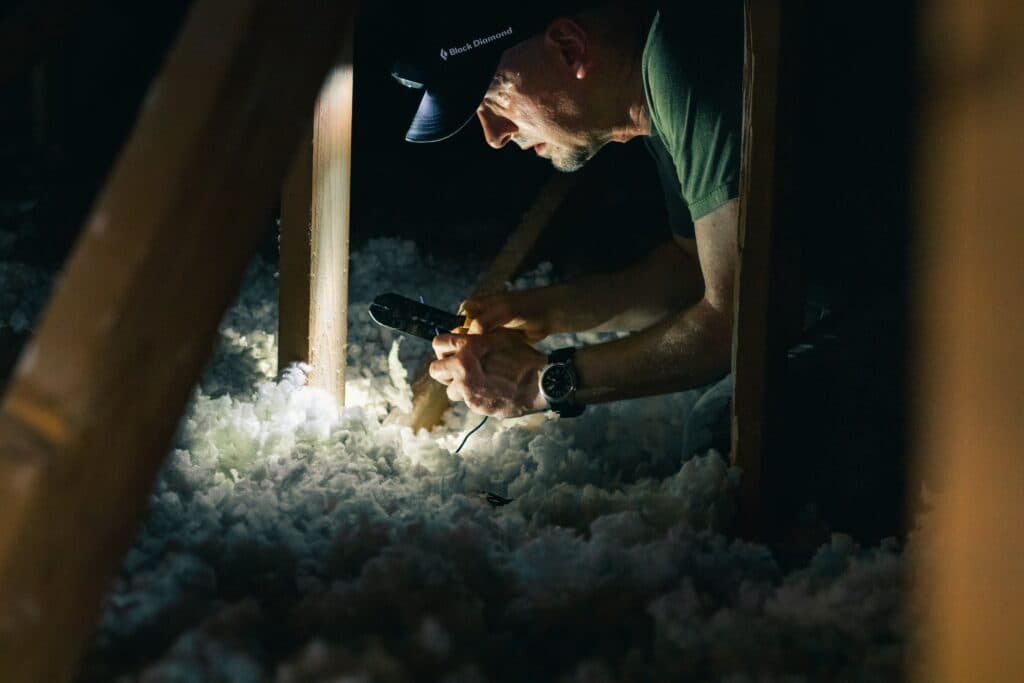
When it comes to your attic, the inspection will search for any notable signs of damage while also checking any visible insulation. If the wood in the attic or sooty or black, these issues will be included in the inspection report.
Visible Insulation
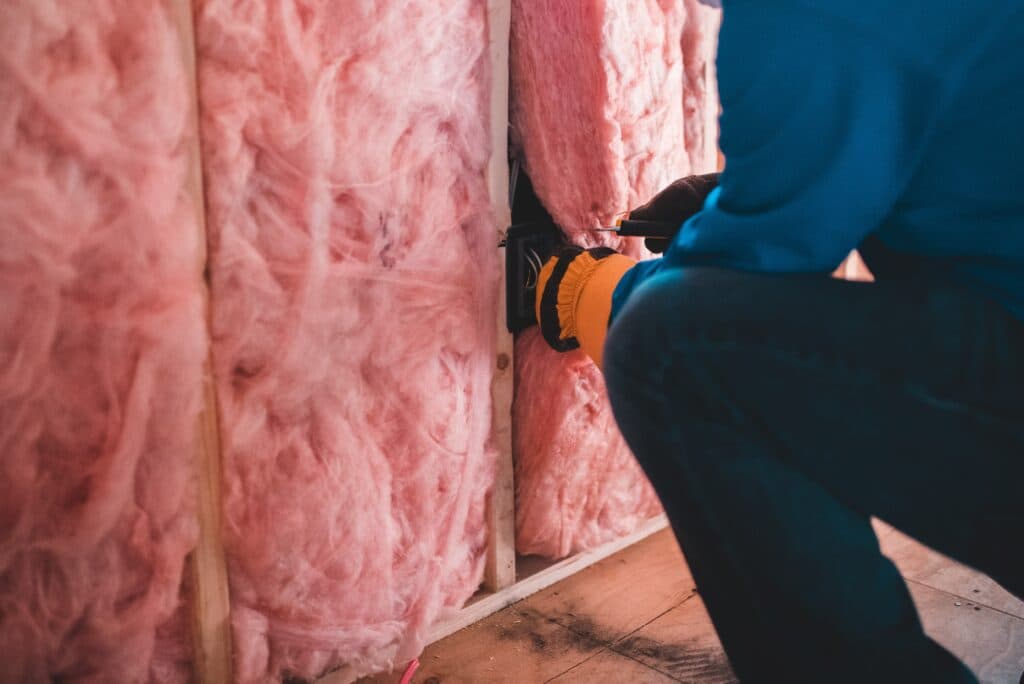
It’s important to understand that only visible insulation can be looked at during an inspection. This insulation is typically found around the attic as well as any unfinished rooms in the home. However, the insulation won’t be disturbed during the inspection. The inspector will just report if insulation is available.
Basement
When an inspector assesses the basement, they will search for signs of water and moisture damage, which could come in the form of leaks or excess moisture. These issues are common in unfinished basements. If there are any leaking pipes or water seepage along cracks and wall fixtures, these issues will be thoroughly detailed. The functionality of any basement systems will also be tested.

Roof
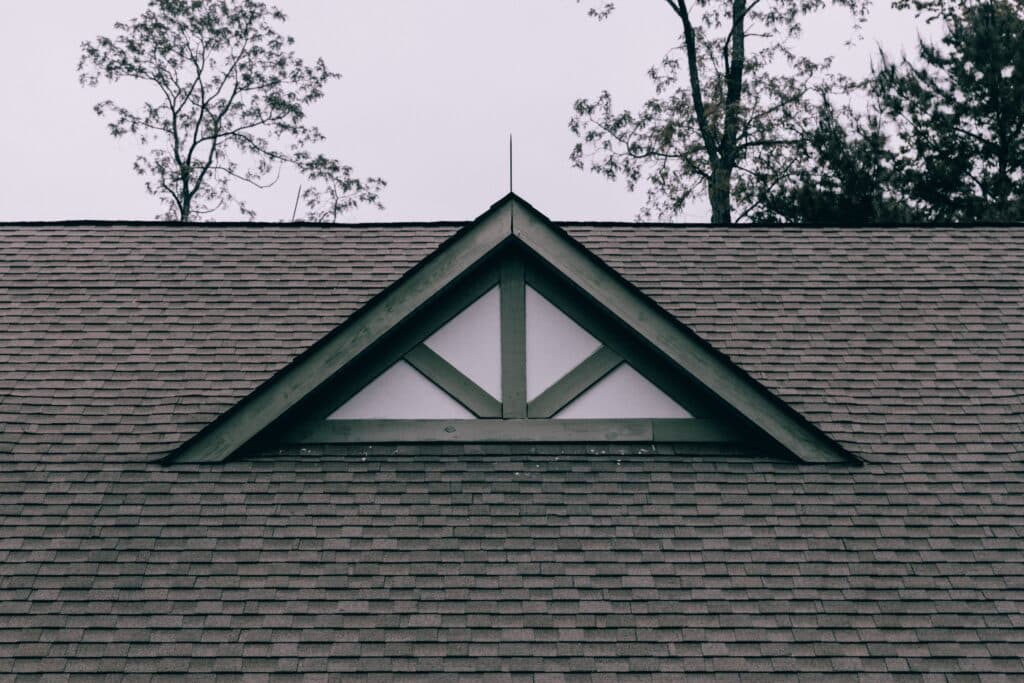
When an inspector looks at your home’s roof, all roof-covering materials, skylights, chimneys, gutters, flashing, downspouts, and vents will be inspected. The structure of the roof will also be analyzed to determine if any leaks are present. However, the roof isn’t typically walked by the inspector since this can create safety issues. Cameras, binoculars, or drones can be used to inspect the roof from the ground.
Foundation
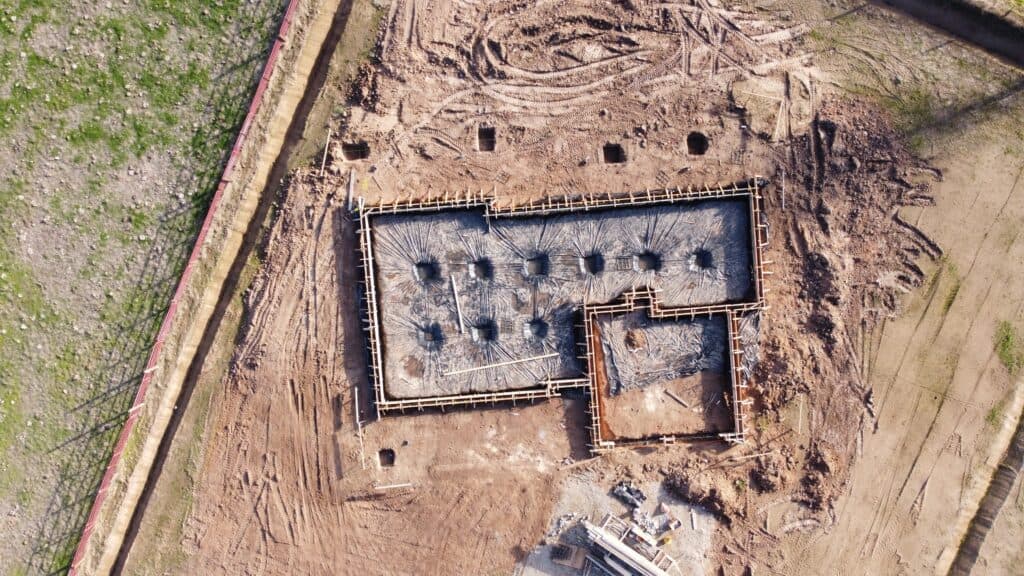
As for the foundation, the inspector will look for hairline or expanding cracks, bowing walls, water damage, structural damage, and flooding. When an inspector takes a look at the home’s foundation, this aspect of the inspection can occur indoors and outdoors.
Any Other Structure Components
There are a range of additional structural components that could be looked at if they appear in your home. Along with the framing and foundation, your floors and walls will also be thoroughly inspected. If there’s any sign that the structure of your home has been damaged, written details and images of the damage will be taken by the inspector. These issues could create problems with the sale of your home if they are serious.

What Should I Do During the Home Inspection?
Home inspections tend to take around 2-3 hours to be completed depending on the size of your home. In some scenarios, the buyer attends the inspection alongside the professional inspector. You likely don’t want to be in your home while the inspection is ongoing, which gives you the opportunity to run some errands or go to a movie.
Keep in mind that any minor or major problem will be detailed in the inspection report. Minor issues are likely affordable fixes and should be repaired by the buyer once they move in. However, any major issues could result in you being asked to make repairs or lower the asking price. The buyer could also back out of the deal depending on how severe the problems are. Once the inspection report has been completed, make sure that you review it with your agent.
Home inspections are practically mandatory when a home is sold. While a small number of buyers forego inspections, the majority will pay the small fee for an inspection to effectively protect their investment. Now that you understand what to expect when your Atlanta home is inspected, you can properly prepare for this situation and make sure that your home is clean and in good condition.
Related Articles
Can You Buy or Sell Condemned Properties?
If you’re the owner of a condemned property, it’s likely that you want to get out of this situation by selling your home and obtaining any proceeds you can from it.

How to Sell Your House During a Divorce
Going through a divorce is never easy. All of the emotions of this situation will be accompanied by the need to handle many different aspects of the divorce, which include everything from dividing assets to understanding alimony payments.

Can You Empty a House Before Probate?
Inheriting a home from a family member or loved one isn’t always a straightforward process. Before the home will be given to you, you’ll be tasked with filing certain forms, appraising assets, and planning a funeral.
Let's Talk
CC Capital is Constantly Climbing to ensure we are at the forefront of simplicity and service when it comes time to sell your home. We are always available to answer any questions you may have. Please reach out to us today!